What Most Property Owners Get Wrong About Glass And How It Costs Them More Over Time
What Most Property Owners Get Wrong About Glass in Phoenix, Arizona and How ABC Glass Company Helps You Fix It Before It Costs You More
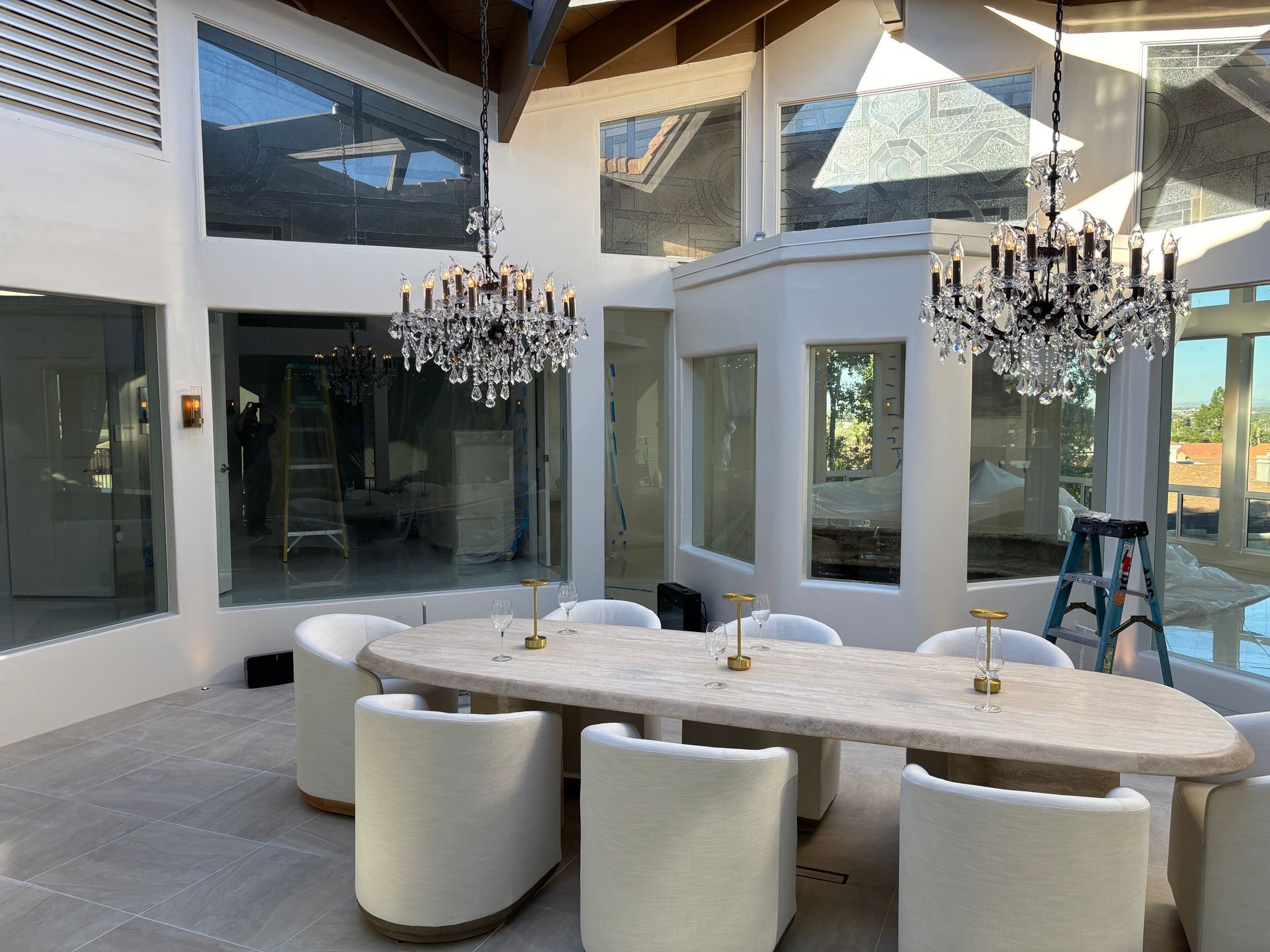
Most property owners think about glass twice, once when they buy it and once when it breaks. At ABC Glass Company, we see what happens every single day. Homeowners and business owners across the Phoenix metro often end up spending far more than they should on repairs, rising energy costs, and emergency replacements, all because the original glass decision was treated like an afterthought instead of a long-term investment.
Why Glass Decisions Matter More in Phoenix Than Most Cities
Phoenix AZ is not a forgiving environment for glass. Summer temperatures regularly exceed 115 degrees. UV index levels are among the highest in the nation. Thermal cycling from scorching days to cool desert nights puts extraordinary stress on seals, frames, and glass composition over time. Dust storms and high winds are not seasonal anomalies here. They are a regular part of the climate, and they exploit every weakness in poorly chosen or poorly installed glass.
This is not a city where a generic, builder-grade window or an off-the-shelf glass panel will perform adequately for more than a few years without consequence. Property owners in Scottsdale, Glendale, and Tempe face the same environmental realities. Yet the majority of glass decisions in this region are still made based on price alone, with no consideration for how the climate will interact with the product over its intended lifespan.
The result is a predictable cycle: install cheap, fail early, pay more to replace. Most clients we speak with are already in the middle of that cycle before they call us.
The Biggest Mistakes Property Owners Make With Glass
The most costly mistake is not choosing the wrong product. It is skipping the consultation entirely and assuming that all glass is fundamentally the same. It is not. Glass varies significantly in solar heat gain coefficient, visible light transmittance, thickness, tempering specifications, lamination, coating types, and edge quality. These are not cosmetic differences. They directly determine how a piece of glass performs in heat, under impact, under UV exposure, and at the level of energy efficiency.
The second major mistake is hiring whoever is cheapest without verifying credentials, installation standards, or whether they carry proper Arizona contractor licensing. A badly installed piece of glass with improperly seated seals or misaligned frames will fail regardless of how high-quality the glass itself is. The installation is as important as the product.
Third, property owners routinely delay repairs on damaged or compromised glass. A single stress crack is not cosmetic. It compromises the structural integrity of the pane, reduces insulation value immediately, and creates a failure point that expands with every thermal cycle. Delaying a $150 repair often leads to a $600 replacement within a single season in Phoenix.
Residential Glass Mistakes That Lead to Expensive Repairs
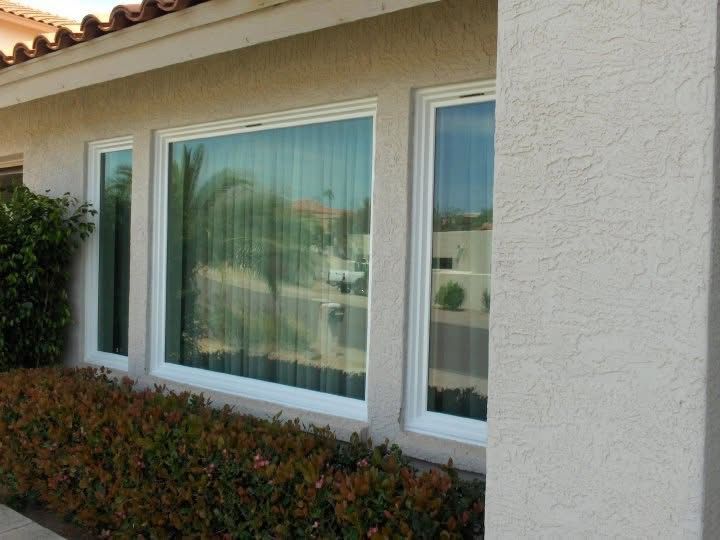
In the residential setting, the most expensive mistakes tend to cluster around windows and shower enclosures. Homeowners routinely select single-pane windows because they are cheaper upfront. In a Phoenix summer, that decision translates directly into higher cooling costs every single month. A properly specified low-e double-pane window with the right solar heat gain coefficient for this climate can reduce cooling loads substantially, which means the window pays for itself in energy savings over time.
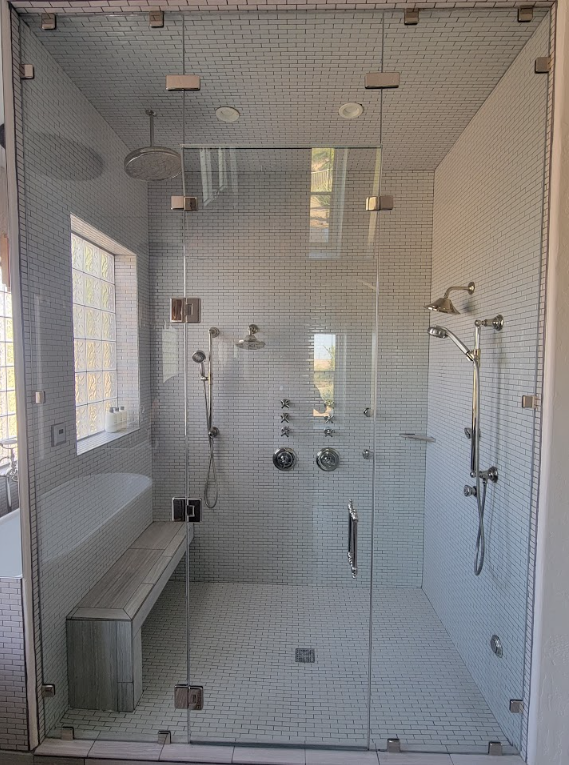
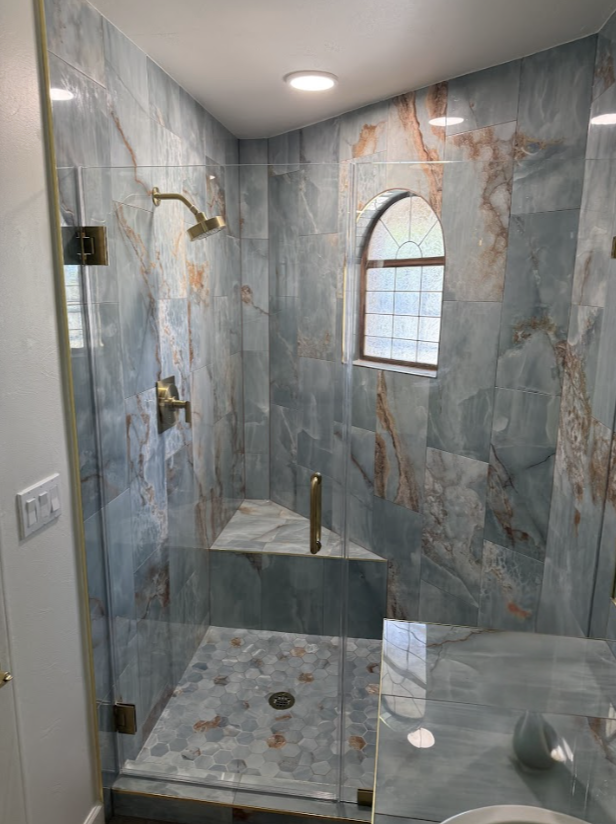
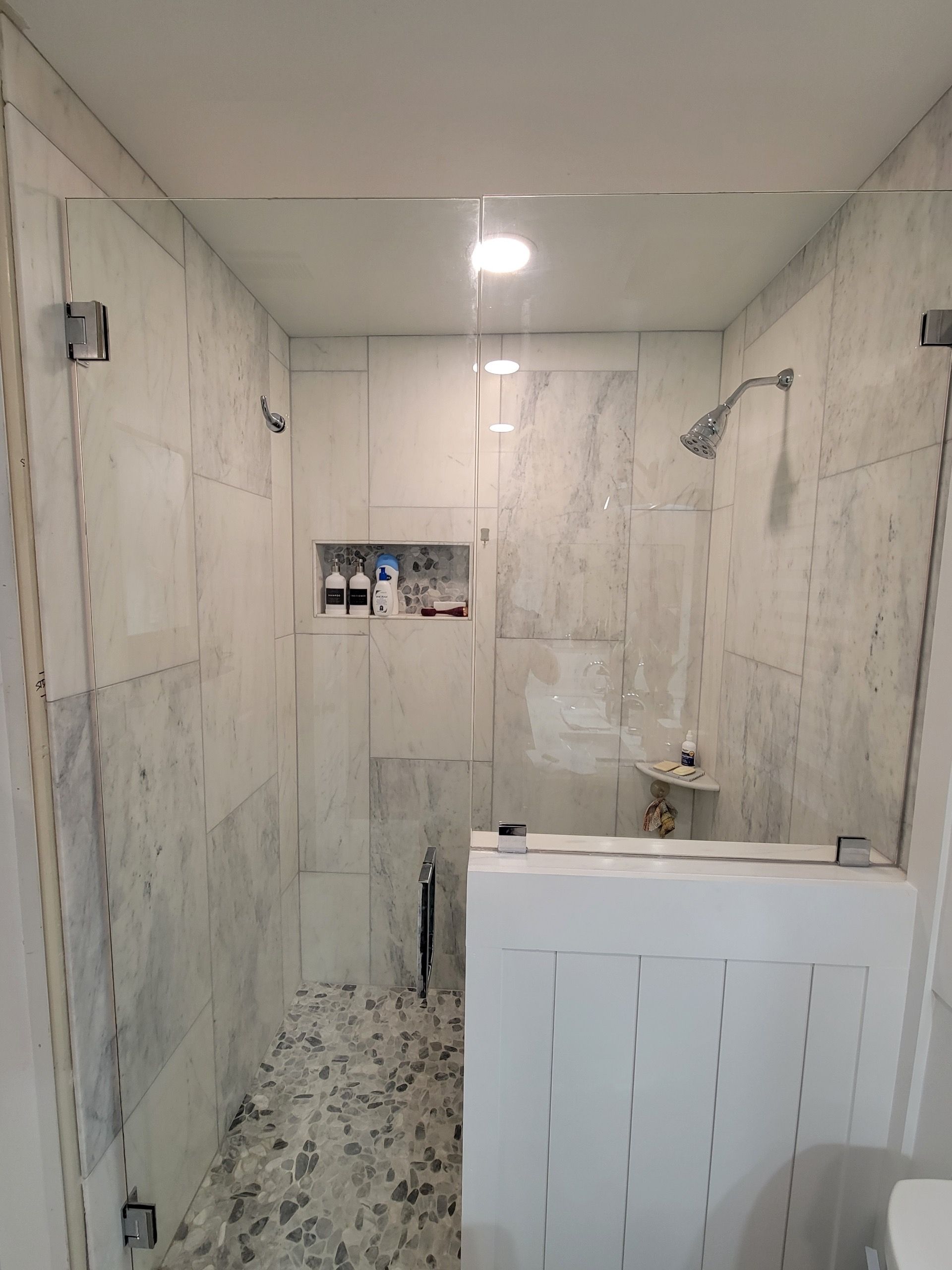
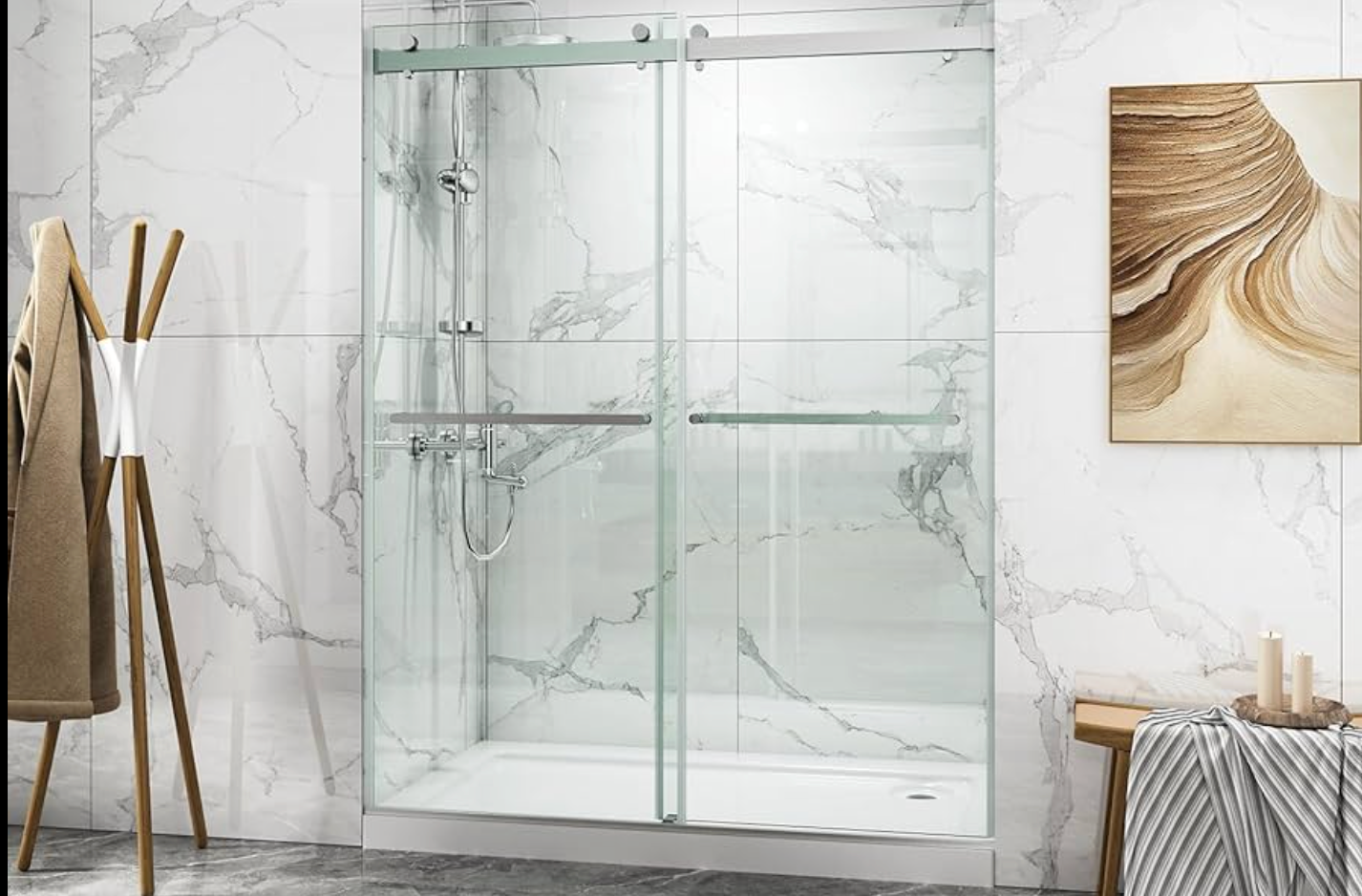
For shower enclosures, the common error is selecting glass based on appearance rather than specification. Not all tempered glass is equal. Thickness, edge finishing, and quality of the tempering process all matter for safety and longevity. A poorly tempered panel installed without proper hardware can fail unexpectedly, and the cost of that failure is always higher than the cost of getting it right from the start. As ABC Glass Company explains the real cost of custom frameless showers, the upfront investment in quality materials and expert installation prevents the far more expensive scenario of replacing substandard work within a few years.
Homeowners also frequently overlook the glass in their sliding patio doors, skylights, and interior partitions. These are not secondary glass applications. In Phoenix AZ, a south or west-facing patio door with the wrong glass specification becomes a heat source inside your living space during summer. The cumulative energy cost of that decision is significant, and it is entirely avoidable with proper specification.
Additionally, many residential property owners in Scottsdale and Glendale delay glass replacement after impact damage from hail, windblown debris, or pool equipment. That delay rarely saves money. Water intrusion, thermal inefficiency, and security vulnerability all escalate with each week of postponement. Glass replacement in Phoenix should be treated as an urgent repair, not a deferrable maintenance item.
Commercial Glass Mistakes That Hurt Businesses
Commercial properties carry a different set of risks, and the mistakes are often larger in scale. The first and most damaging error in commercial applications is specifying glass based solely on building code minimums rather than on performance requirements. Meeting code is the floor of acceptable, not the ceiling of smart. A commercial storefront that meets minimum requirements for glazing may still be performing poorly in terms of energy retention, solar control, and acoustic insulation.
For businesses operating in Phoenix, Tempe, or Scottsdale, excessive heat gain through commercial glass directly raises HVAC costs and creates uncomfortable environments for customers and employees. A retail space with the wrong glazing specification can see cooling costs that are substantially higher than a comparable space with properly specified commercial glass services in Phoenix. That difference compounds month over month across an entire lease term or ownership period.
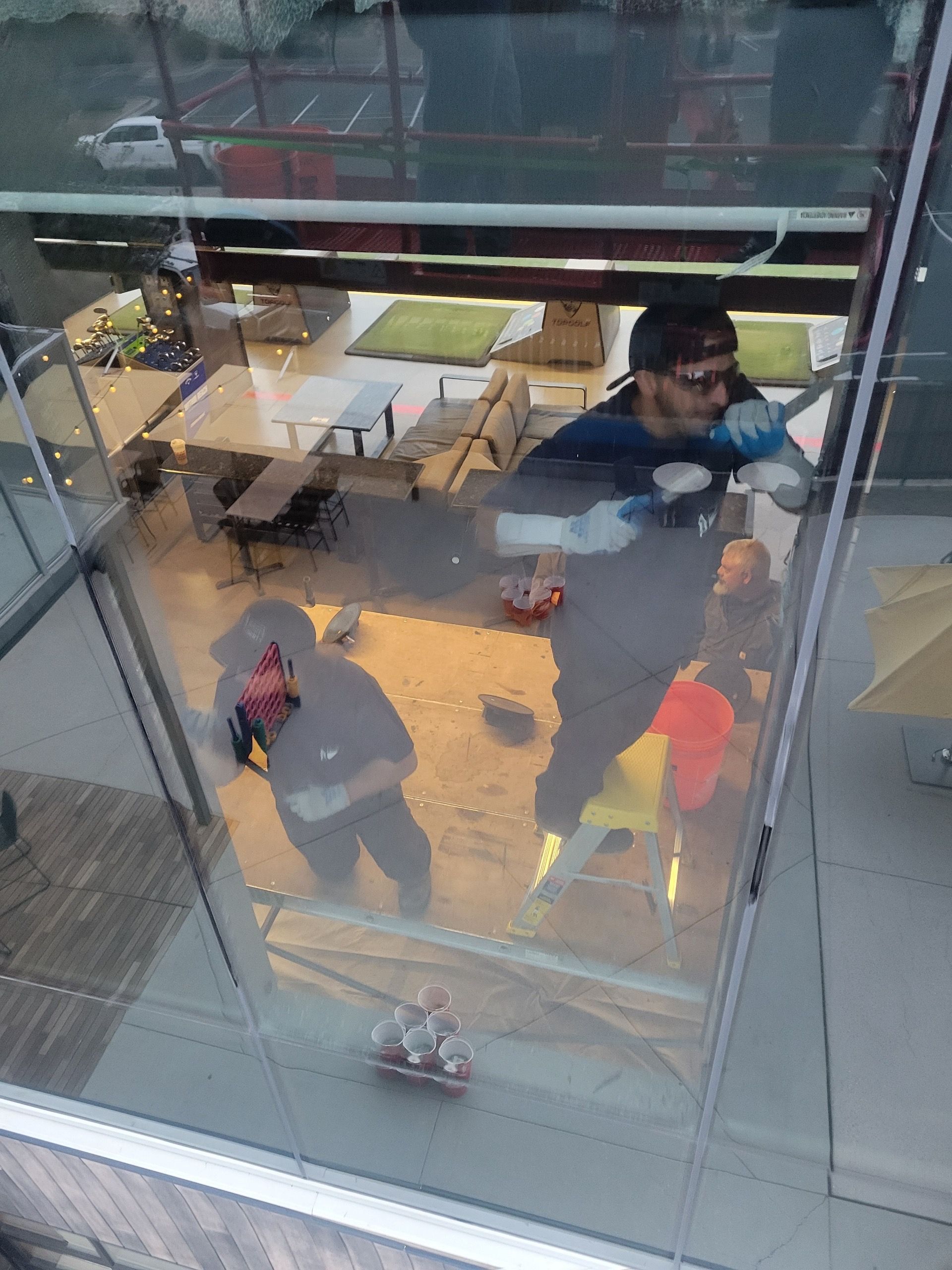
Commercial glass also takes a beating from foot traffic, shopping carts, equipment, and the general demands of a working business environment. Storefront glass that chips, develops surface scratches, or shows wear creates a poor first impression. Delayed maintenance on commercial glazing signals neglect to customers before they even step through the door. It also creates genuine safety liability if compromised glass fails in a public-facing environment.
A commercial property in any of the Phoenix metro communities also faces unique risks during dust storms. Improperly sealed or aged commercial glass assemblies allow dust infiltration that damages interior surfaces, electronics, and merchandise. The invisible cost of that infiltration adds up quickly and is rarely attributed to the glass itself, even though it is the direct cause.
Why Quick Fixes Cost More Over Time
The temporary repair mentality destroys long-term value. Tape on a cracked window, DIY sealant on a failing frame, or replacing a broken pane with whatever is cheapest and fastest available might solve the immediate visible problem. But it does not address the underlying failure, and it almost always makes the next repair more expensive because the temporary fix adds a layer of complexity that a professional then has to work around.
We see this consistently in residential and commercial glass work across the Phoenix metro. A property owner patches a cracked sliding door with an adhesive repair kit. Six months later, that pane fails completely, the frame has warped slightly from improper support during the interim, and now the replacement cost is higher than it would have been with a proper glass repair Phoenix service from the start.
The same principle applies at a larger scale for commercial properties. A business that replaces storefront glass with the cheapest available option after a break-in may face another replacement within two to three years because the lower-grade glass cannot withstand the daily conditions of that location. A proper commercial specification with the right thickness, lamination, and frame support would have lasted significantly longer at a total cost of ownership that is far lower.
Glass is infrastructure. It should be treated with the same long-term thinking as roofing, HVAC, or plumbing. The cheapest option at the point of purchase is frequently the most expensive option over the ownership period of a property.
How Glass Impacts Energy Efficiency in Phoenix Homes and Buildings
Phoenix receives more annual sun hours than almost any major city in the United States. That is a significant asset for solar energy but a serious liability for properties with poorly specified glass. Solar heat gain is the primary driver of residential cooling costs during a Phoenix summer, and the glass specification of windows and doors is the primary determinant of how much of that solar heat enters the building envelope.
The Solar Heat Gain Coefficient, or SHGC, is the metric that matters most for Phoenix properties. A low SHGC rating means the glass transmits less solar heat into the interior. Combined with a low-emissivity coating, properly specified windows can dramatically reduce the thermal load on an air conditioning system. The result is lower monthly energy bills and less wear on HVAC equipment, which extends its useful life.
For commercial properties in Tempe, Scottsdale, or Glendale, the scale of this impact is substantial. A commercial building with large glass facades and outdated, single-pane glazing is effectively operating as a heat collector on every sun-facing elevation. Upgrading to high-performance commercial glazing with spectrally selective coatings can materially reduce energy consumption without sacrificing natural light or exterior aesthetics.
For window glass replacement Phoenix property owners seek, the energy performance specifications should be the starting point of every conversation, not an afterthought after price and appearance have already been decided.
What to Look for in a Glass Company
Licensing matters first. In Arizona, glass installation work requires proper contractor licensing. Ask for the license number. Verify it. A company operating without proper licensing has no accountability and no recourse if something goes wrong with your installation.
Second, look for demonstrated experience with the specific type of glass work you need. Residential window replacement and commercial storefront glazing are different disciplines. A company that exclusively installs shower enclosures may not have the experience needed for a complex commercial curtainwall repair. Ask for specific examples and references relevant to your project type.
Third, ask about their glass sourcing. Quality glass companies work with established manufacturers and can specify the exact product parameters needed for your application. Vague answers about glass quality or resistance to providing product specifications are red flags.
Fourth, evaluate their process for measuring, templating, and installing. Precision in measurement is non-negotiable in glasswork. Any gap in measurement accuracy creates sealing problems, frame stress, and premature failure. A professional glass company will have a rigorous and documented process for these steps.
Finally, ask about warranty coverage for both the product and the installation. Any reputable company stands behind its work. If they cannot offer a clear warranty on their installation quality, that tells you something important about their confidence in their own work.
How ABC Glass Company Helps Clients Avoid These Problems
ABC Glass Company was built around a straightforward principle: glass decisions have real consequences, and property owners deserve expert guidance, not just a transaction. With deep experience serving residential and commercial clients across Phoenix, Scottsdale, Glendale, and Tempe, we approach every project as a long-term investment for the client rather than a one-time sale for us.
Our process starts with a thorough assessment of the property conditions, the specific glass application, and the performance requirements that matter for that client. We specify products based on what will actually perform in the Phoenix climate, not what is most profitable for us to sell. When a client needs commercial glass services in Phoenix for a high-traffic storefront, we specify thickness, lamination, and frame compatibility that will hold up under real conditions for years, not months.
For residential clients, we treat every window replacement, glass door installation, or specialty glazing project with the same precision and attention to performance specification. That means considering solar heat gain, UV exposure, thermal cycling, and long-term seal integrity before recommending any product.
We also believe in transparent pricing. Our clients know exactly what they are paying for and why, so they can make informed decisions. There are no hidden charges, no surprise fees, and no pressure to upgrade to products they do not need.
When you contact ABC Glass Company, you are not speaking to a call center. You are connecting with experienced professionals who understand glass performance in the Phoenix environment from direct daily practice. That expertise is the difference between a glass decision you make once and one you have to revisit in three years.
Ready to Stop Paying for Glass Mistakes You Did Not Have to Make?
The property owners who get the best outcomes from their glass investments are the ones who treat the decision seriously from the beginning. They ask the right questions, work with professionals who can answer them, and invest in specifications that actually match the demands of the Phoenix environment.
If you are dealing with aging windows, a commercial glass issue, storm damage, or simply want an honest assessment of whether your current glass is costing you more than it should, ABC Glass Company is ready to help. We bring over two decades of glass expertise to every consultation, and we give you a straight answer, not a sales pitch.
Contact ABC Glass Company today to schedule your assessment. Phoenix property owners who take glass seriously pay less over time. Let us show you how.
ABC Glass Co. faqs
HOW DO I KNOW IF MY WINDOWS ARE CAUSING HIGH ENERGY BILLS IN PHOENIX?
The clearest signs include rooms that stay uncomfortably warm even when the air conditioning is running, condensation forming between panes in double pane windows, and energy bills that spike during the summer months. Single pane windows and older double pane units with failed seals are the most common causes in Phoenix homes.
WHAT TYPE OF GLASS IS BEST FOR PHOENIX CLIMATE?
Low emissivity double pane glass with a low Solar Heat Gain Coefficient is typically the best choice for residential properties in Phoenix. For commercial buildings, spectrally selective glass helps reduce heat while still allowing natural light. The right option depends on the building layout, sun exposure, and how the space is used.
HOW LONG SHOULD RESIDENTIAL WINDOWS LAST IN PHOENIX?
High quality vinyl framed low emissivity windows usually last between 20 and 25 years in Phoenix conditions. Lower quality or improperly installed windows often begin to fail within 8 to 12 years due to extreme heat, sun exposure, and constant temperature changes.
IS IT WORTH REPAIRING A CRACKED WINDOW OR SHOULD I REPLACE IT?
In most cases, replacement is the better long term option. A crack weakens the glass and eliminates the insulation performance immediately. The cost difference between repair and replacement is often minimal, while replacement restores performance and extends the lifespan.
WHAT IS THE DIFFERENCE BETWEEN TEMPERED AND LAMINATED GLASS FOR COMMERCIAL USE?
Tempered glass is strengthened through heat treatment and breaks into small pieces to reduce injury risk. Laminated glass includes an inner layer that holds the glass together after impact. This makes it ideal for storefronts because it maintains a barrier even when broken. Many commercial systems combine both for added strength and security.
HOW QUICKLY SHOULD I ADDRESS BROKEN COMMERCIAL STOREFRONT GLASS?
It should be handled immediately. Broken glass creates security risks, weather exposure, and liability concerns. Most professional companies, including ABC Glass Company, offer emergency board up services followed by fast replacement to protect the property.
DOES THE GLASS IN MY SLIDING PATIO DOOR AFFECT MY ENERGY BILLS?
Yes, significantly. Sliding patio doors are large glass surfaces and often face direct sunlight. In Phoenix, this makes them a major source of heat gain. Upgrading to properly specified low emissivity glass can reduce cooling costs and improve indoor comfort.
HOW DO I FIND A REPUTABLE GLASS COMPANY IN PHOENIX?
Start by confirming Arizona contractor licensing. Look for companies with proven experience in the specific type of work you need. Check reviews that mention both product quality and installation. A reputable company will clearly explain materials, provide accurate timelines, and stand behind their work with a warranty.
CAN GLASS UPGRADES INCREASE THE RESALE VALUE OF MY PHOENIX HOME?
Yes. Energy efficient windows and glass features are highly valued in the Phoenix market. Buyers are more aware of energy costs, and homes with upgraded glass tend to attract stronger interest and higher offers.
WHAT AREAS DOES ABC GLASS COMPANY SERVE?
ABC Glass Company serves residential and commercial clients across the greater Phoenix metro area, including Scottsdale, Glendale, Tempe, and nearby communities. For glass repair, window replacement, or commercial glass projects, ABC Glass Company delivers consistent quality and expertise throughout the region.
The ABC's Of Glass